
After only 7 years, a prominent hotel in Queenstown faced an unexpected plumbing crisis: the complete replacement of its hot water ring main piping system. The original material, PP-R (Polypropylene Random Copolymer), had been widely used for its affordability, but proved to be a poor match for the realities of New Zealand's water chemistry and temperature demands.
Visual Clues: A Piping System in Decline
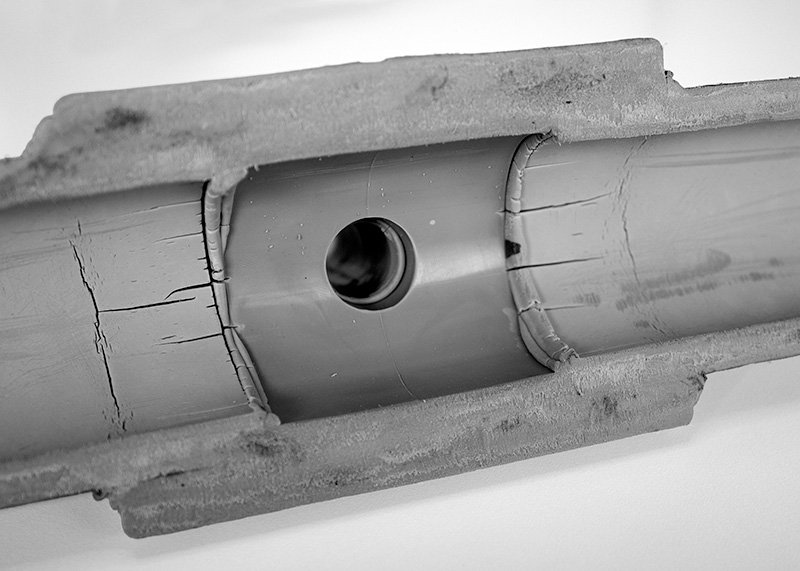
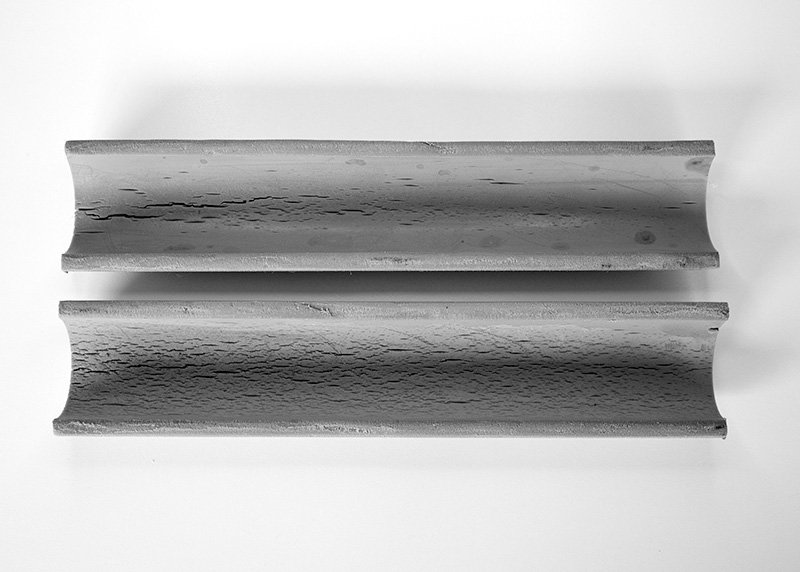
While no laboratory testing has been conducted on the failed piping itself, a visual inspection revealed clear signs of material failure:
- Chalking of the internal pipe walls.
- Cracking and radial fissures, particularly at bends and fittings.
- Apparent embrittlement and discolouration.
These symptoms strongly suggest oxidative degradation, a well-documented failure mode in PP-R when exposed to chlorinated water and elevated temperatures over time.
A Likely Culprit: Chlorine + Heat + Time
While PP-R is generally rated for operation at 60–70°C, and sometimes up to 80°C depending on the pressure, these ratings often assume low-chlorine, ideal water conditions. In this case, the system was operating at 65°C - typical for commercial hot water - but highly likely exposed to elevated chlorine levels, a common occurrence in New Zealand municipal supplies.
Peer-reviewed studies have shown that chlorinated water accelerates antioxidant depletion in PP-R, leading to internal surface oxidation, cracking, and eventual leakage.
The Replacement: KE KELIT STEELFIX and STEELOX
To ensure long-term reliability, the hotel has now upgraded its hot water ring main to a full stainless-steel system, combining:
- STEELFIX® – a robust press-fit 316/444 stainless steel system for risers and distribution mains.
- STEELOX® – a flexible multilayer stainless-steel solution (up to DN25) for final outlet distribution.
The combination of STEELFIX® and STEELOX® offers the ultimate in installation flexibility and efficiency. STEELFIX provides a robust, traditional hard-drawn stainless steel press system ideal for risers and mains, while STEELOX, with its flexible multilayer stainless design, is perfect for navigating tight spaces and final outlet connections. Together, they form a fully integrated, all-stainless solution, streamlining installations and eliminating the need to mix materials or transition between systems. This compatibility not only saves time on-site but also ensures a clean, hygienic, and durable piping network from the plant room to the point of use.
One comprehensive KE KELIT warranty covers this combined system, providing the customer peace of mind.
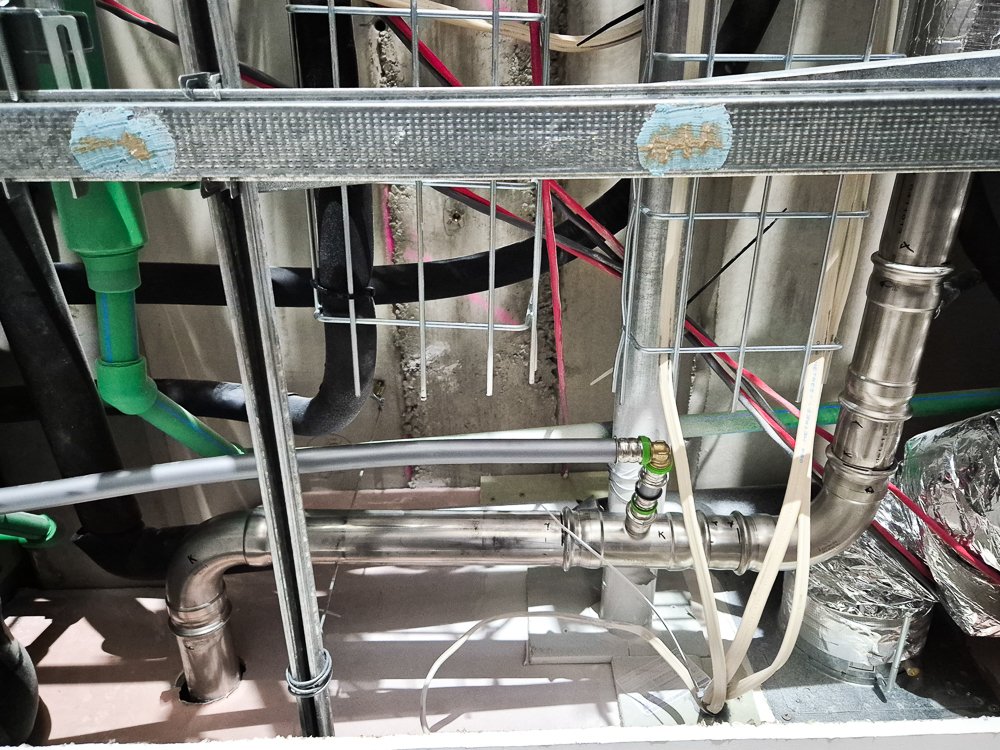
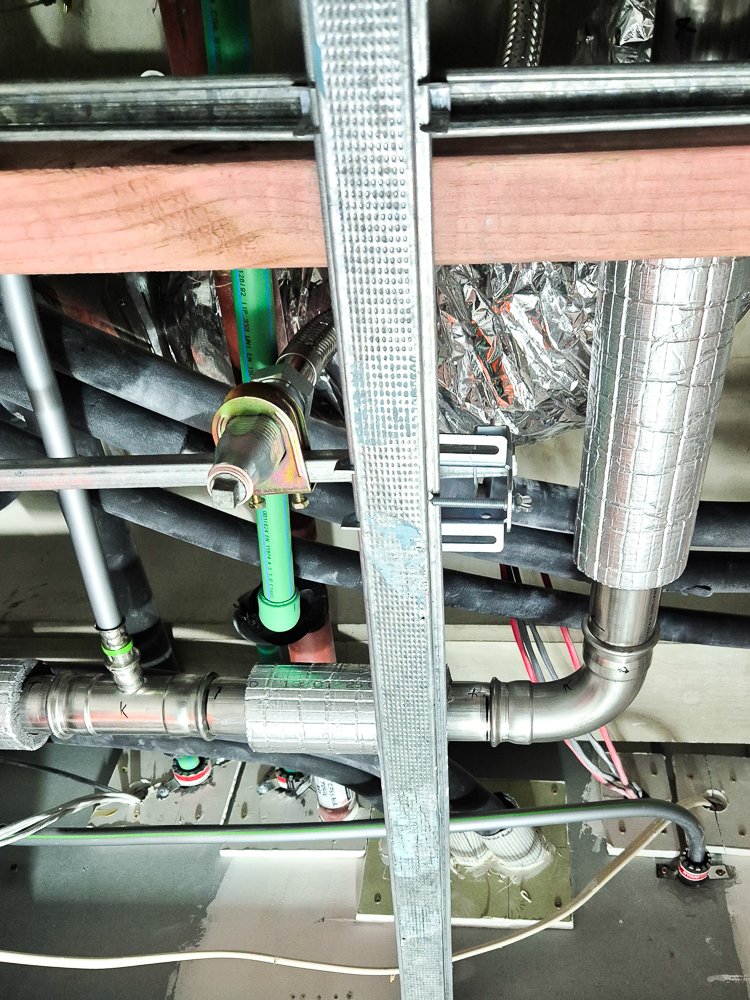
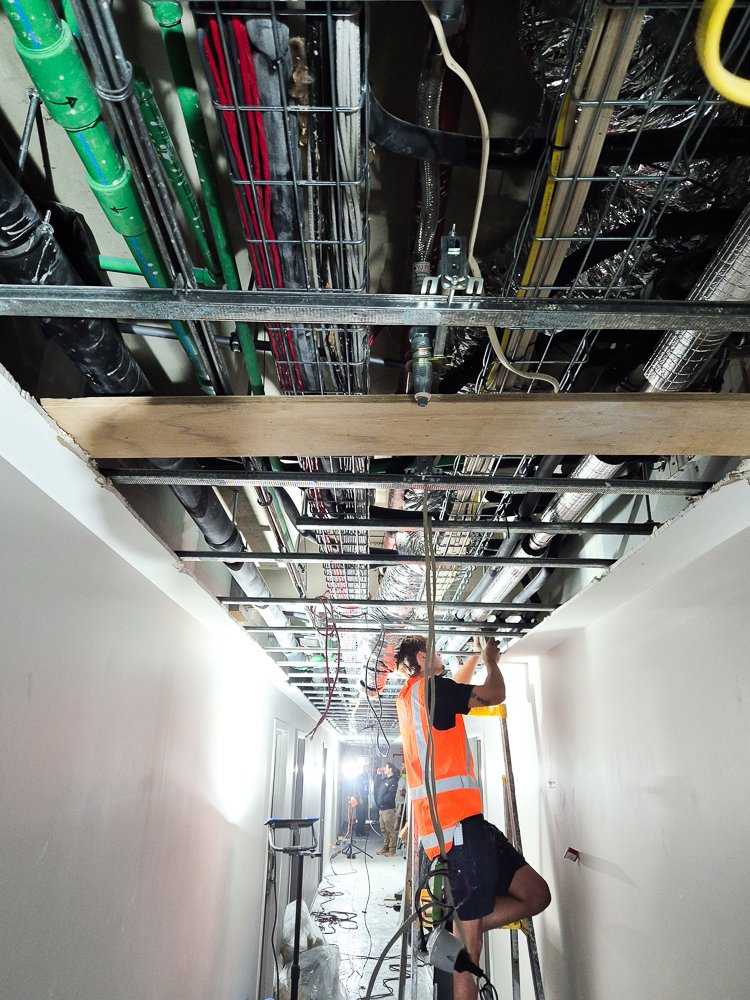
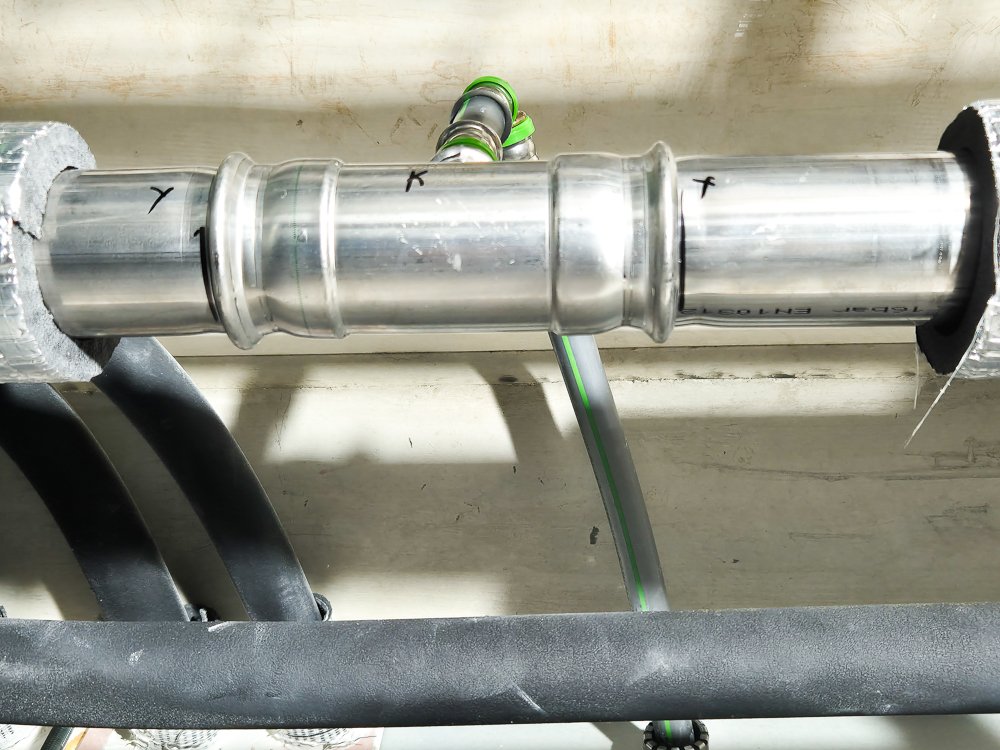
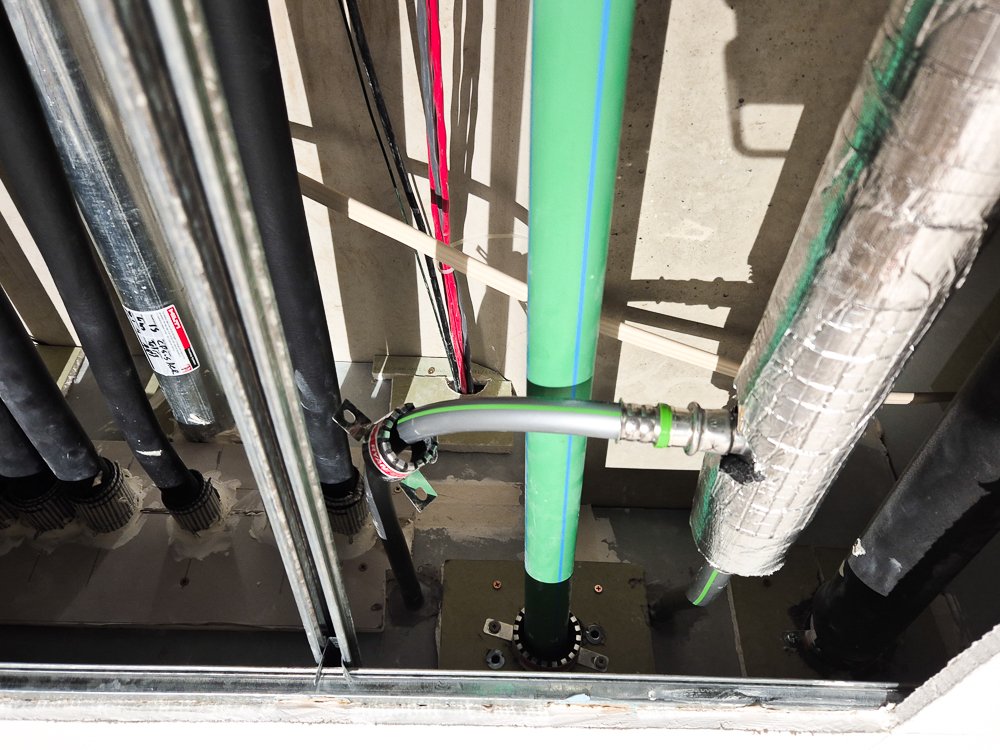
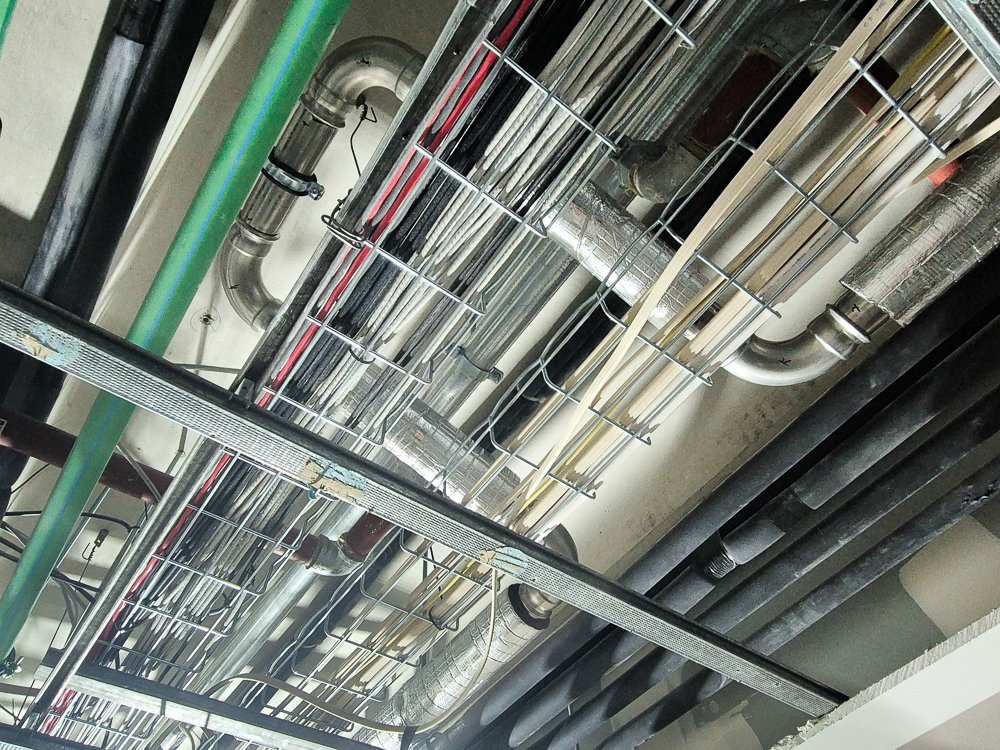
The images above depict the in-line installation of STEELOX and STEELFIX systems as replacements for the failed green PP-R pipework.
Why Stainless Is Superior:
- Unaffected by chlorine – no degradation, no antioxidants required.
- Certified for high-temperature continuous use – 80°C operation, 100°C short-term.
- Fully hygienic and recyclable – ideal for health and hospitality sectors.
- Low maintenance and long service life – backed by certifications including NZBC CodeMark and WaterMark.
- Suitable for all water compositions provided the minimum and maximum values detailed in the New Zealand drinking water standard is maintained.
Rethinking Plastics in Hot Water Systems
While polyolefin systems like PP-R may offer cost and installation advantages, this case underscores the potential risks of using plastic in hot water ring mains, especially in regions with variable water quality.
This case invites an important question for engineers, facility managers, and specifiers in New Zealand:
Are polyolefin pipes suitable for long-term hot water applications in NZ, or is it time we set a higher standard?
If you're facing a PP-R pipe replacement or planning a new project, now’s the time to talk to KE KELIT NZ. With STEELFIX® and STEELOX®, you're investing in peace of mind, not just upgrading your piping.